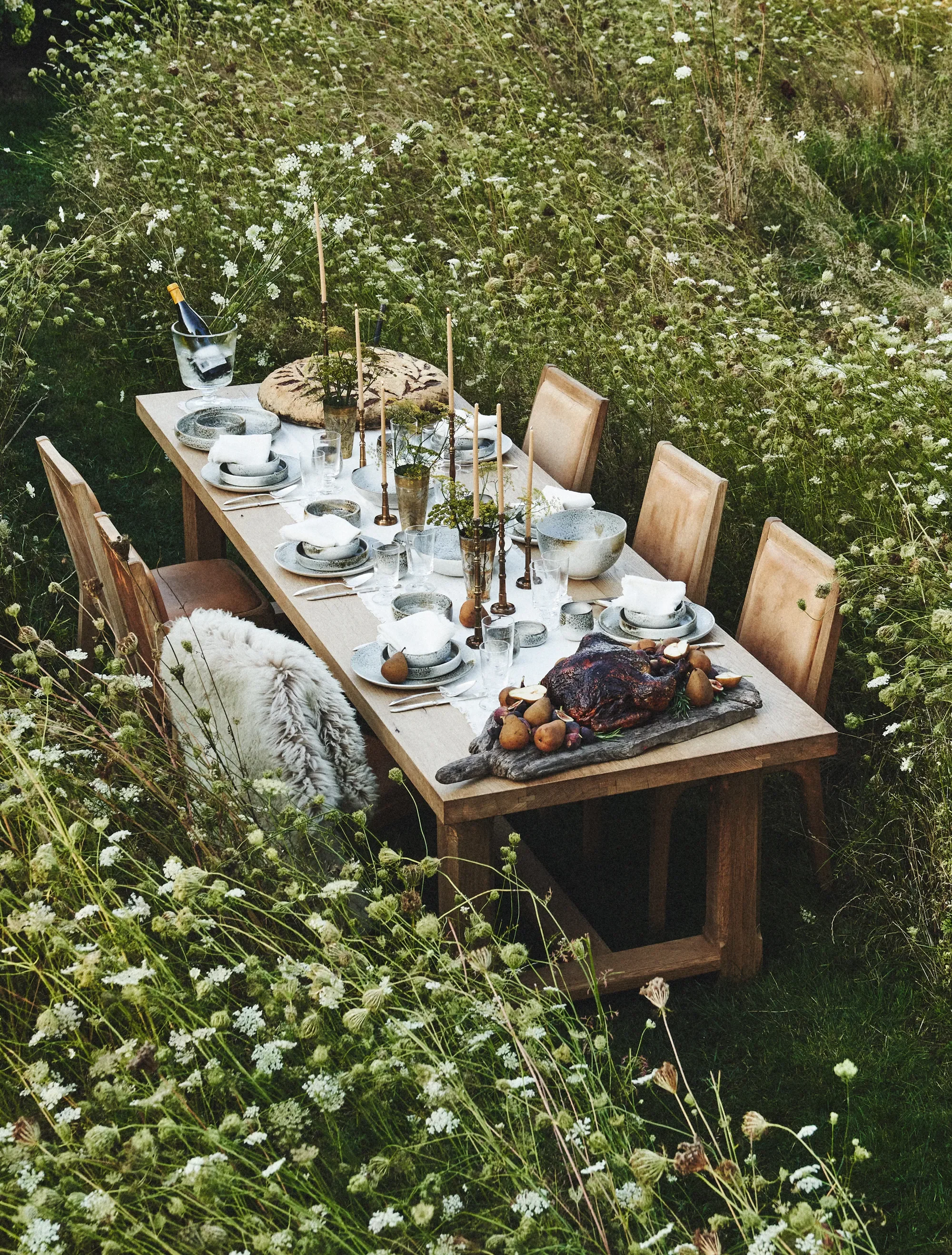
Ever wonder what the first Thanksgiving was like? Let’s take a trip back to Plymouth, Massachusetts, 1621.
About 140-148 men, women, and children attended the festivities, including approximately 90 Wampanoag Indians led by Chief Massasoit.
Almost half of the Mayflower passengers had died the first year in Plymouth due to disease, exposure to severe weather, and malnutrition. Many women died because of living onboard the crowded Mayflower with children in poorly ventilated, freezing quarters where many came down with pneumonia and typhus. Also, being deprived of fresh air, sunlight, and good food caused some to contract scurvy. Many women nursed the sick, their children, and husbands, giving them their food and water. So many mothers died, but because of their sacrifice, many children and husbands lived.
Despite the hardships, the colonists found time for fun and included some of their pastimes at their first big festival. They enjoyed military marksmanship, ballgames, contests of strength, riddles, and traditional games of chance. They participated in sports, music, dancing, singing, friendly competitions, foot races, and wrestling. The Wampanoag Indians enjoyed singing and dancing with their new neighbors, and to my delight, everyone wore bright colors. The festival lasted a whopping 3 days.
At the first festivity, not yet called Thanksgiving, they partook of venison— the Indians brought five deer—wild birds, like ducks, geese, swans, passenger pigeons, wild turkeys, waterfowl, corn, native beans, squash, and pumpkins— stewed or boiled— but not in pies! There were also chestnuts, walnuts, beechnuts, local berries, and dried fruit. There were only 4 adult women survivors, and they, and about 5 teenage girls, did all the cooking for this event. Forks had not yet been invented, so the guests ate with spoons, knives, and their hands.
The colonists found much to be grateful for— like peace, help from their Native American friends, God’s protection, and provisions— and they happily thanked Him for these blessings and for their beloved survivors and beloved Wampanoag Indians.
I trust everyone’s year has been much easier than that of our forefathers, so may we all thank God for the sacrifices of our first Americans and His current bountiful blessings to us. I hope you celebrate with the people you love most and with the food and entertainment that tickles your fancy best!
I’ve read being grateful improves mental and physical health, so being thankful every day for the seemingly “little things” as well as for the “big ones” makes us happier and healthier. A win-win!
Happy Thanksgiving 2026, and God bless!